

PAGE CONTENTS
ToggleScotland is widely regarded as the home of golf, and its coastline is packed with some of the most authentic links courses in the world.
These courses are shaped by nature, not perfection, featuring firm turf, coastal winds, rolling dunes, and deep pot bunkers that test every part of a golfer’s game.
From historic masterpieces like St Andrews to modern icons like Kingsbarns, this 2026 ranking highlights the best links golf experiences Scotland has to offer.
What Makes a Links Course a Links Course?
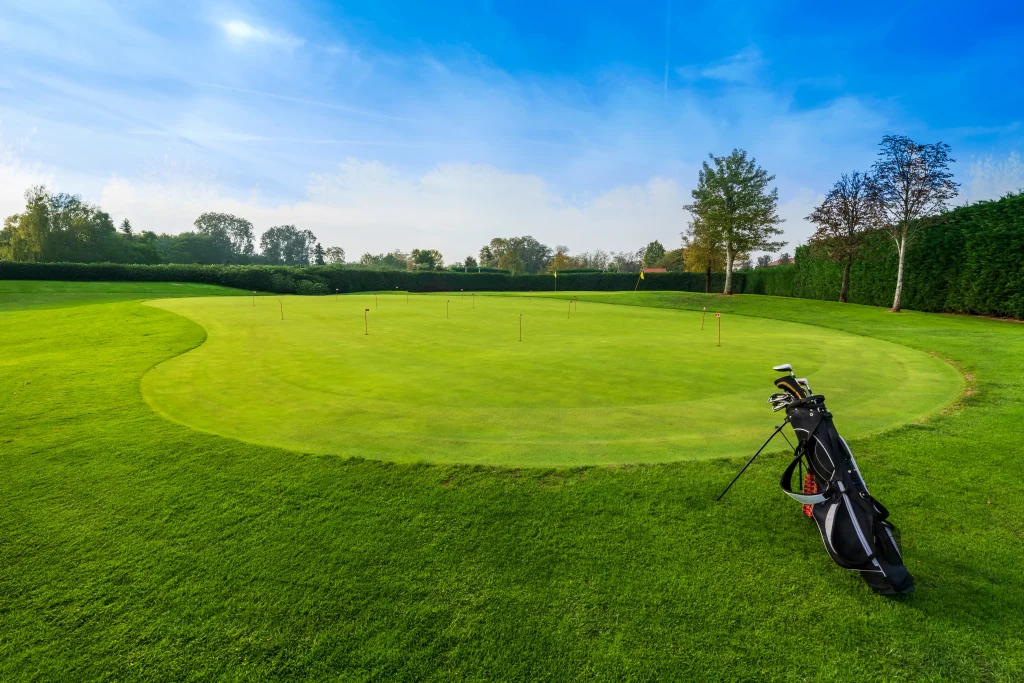
A true links course is golf in its most natural form, raw, exposed, and shaped by nature rather than heavy design intervention.
The term “links” comes from the Old English word “hlinc”, meaning rising ground or coastal dunes, and it originally referred to the sandy ground linking the sea and farmland in Scotland. Over time, these areas became the birthplace of golf itself.
Links’ courses are defined less by design and more by geography, soil, and weather.
They sit on coastal strips of land where the ground is sandy, fast-draining, and naturally undulating. Unlike parkland courses, they are not heavily irrigated or landscaped.
Instead, they embrace natural imperfections: uneven lies, rolling dunes, and unpredictable bounces.
Wind is another defining element.
Because links courses are typically treeless and exposed to the sea, players must constantly adapt to shifting coastal winds.
This makes shot control, creativity, and course management far more important than raw power.
Links, turf, natural hazards, and coastal routing are defined
The turf on a links course is firm and fast, often referred to as “tight lies”.
This means the ball sits close to the ground, encouraging a ground-game strategy rather than high, soft shots.
Players often use bump-and-run techniques, especially around greens, because the surface rewards low, controlled trajectories.
Natural hazards are also a core feature.
Instead of artificial water hazards or deep forests, links courses rely on dunes, native grasses (like marram grass), pot bunkers, and uneven ground. Pot bunkers are particularly iconic: deep, steep-sided traps that are extremely difficult to escape.
Coastal routing means laying out the course along the natural contours of the coastline, often weaving through dunes and following wind patterns.
This creates a layout that feels organic rather than engineered, where every hole feels connected to the landscape.
Why does Scotland have more true links courses than any other country
Scotland is widely regarded as the “Home of Golf”, and its geography explains why it has the highest concentration of true links courses in the world.
The country’s long coastline, particularly along the east and west coasts, features extensive dune systems formed over centuries by wind and tides.
These natural environments were ideal for early golf in the 15th century.
Farmers and shepherds originally played over these sandy stretches because the land was unsuitable for agriculture but perfect for recreation.
Over time, these informal games evolved into structured courses.
Additionally, Scotland’s climate plays a role.
The cool, windy, and often wet conditions discourage heavily manicured parkland designs, preserving the natural links’ landscape.
Today, this combination of geography, history, and tradition makes Scotland the global heart of authentic links golf.
The Top 15 Links Courses in Scotland, Ranked

Scotland is home to some of the most iconic golf courses in the world, many of which have shaped the history of the game.
These top 15 links courses are not just famous for their beauty but also for their challenge, heritage, and championship legacy.
Each course offers a different interpretation of links golf, from ancient layouts that date back centuries to modern masterpieces built in harmony with traditional design principles.
The Old Course, St Andrews: the original links

Old Course at St Andrews
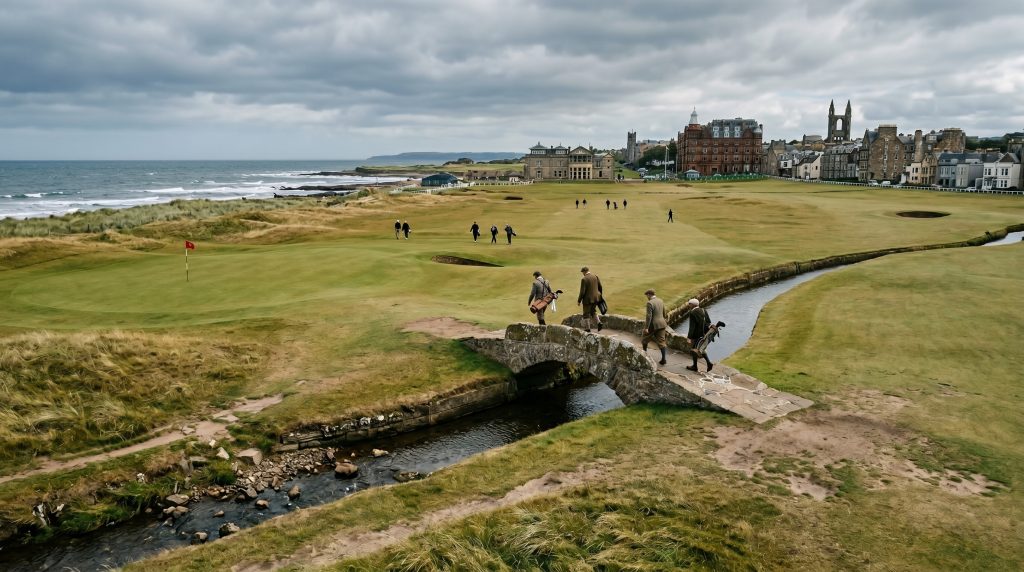
The Old Course at St Andrews is considered the birthplace of golf and the most historic course in the world. Dating back to the 15th century, it set the foundation for modern golf rules and course design.
Its wide fairways and double greens may look forgiving, but strategic hazards like the Hell Bunker and Swilcan Burn demand precision.
The famous Swilcan Bridge has become a global symbol of the sport.
Playing here is more about history and strategy than difficulty, but wind conditions can transform it into a brutal test.
The Old Course, St Andrews: the original links
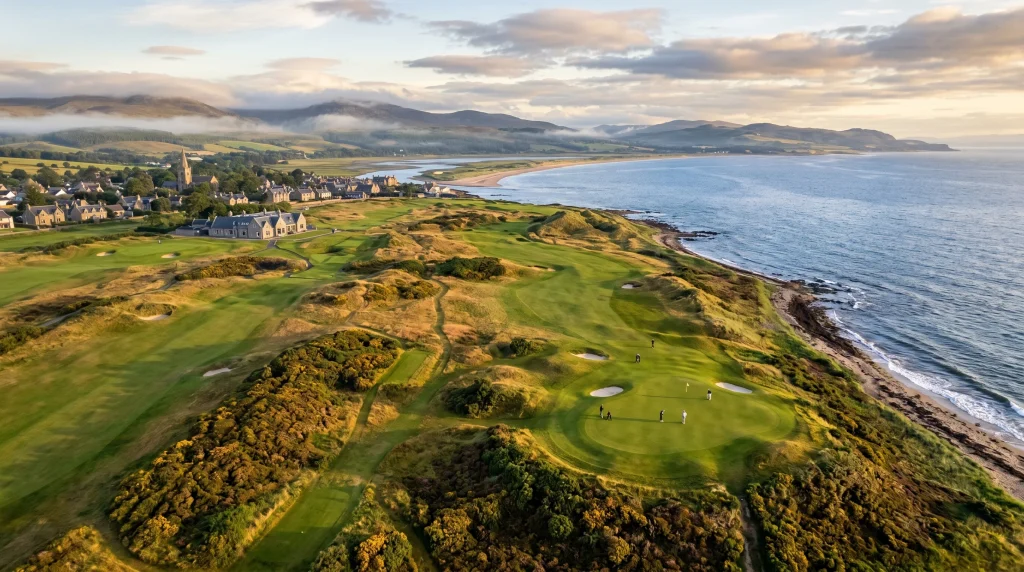
Royal Dornoch Golf
Located in the Scottish Highlands, Royal Dornoch is one of the most naturally beautiful and remote links courses.
Its raised greens and sandy turf create a pure, untouched golfing experience.
The course rewards imagination and finesse, with undulating fairways that demand thoughtful shot placement.
Many golfers consider it one of the purest links experiences in the world.
Turnberry Ailsa Course, Ayrshire’s coastal masterpiece

Trump Turnberry Ailsa Course
The Ailsa Course is famous for its dramatic coastal views and lighthouse backdrop.
It has hosted multiple Open Championships and is known for its breathtaking yet demanding layout.
Wind plays a major role here, especially on holes that run directly along the cliffs.
The redesign has enhanced its strategic complexity while preserving its natural beauty.
Muirfield, the Honourable Company’s fortress
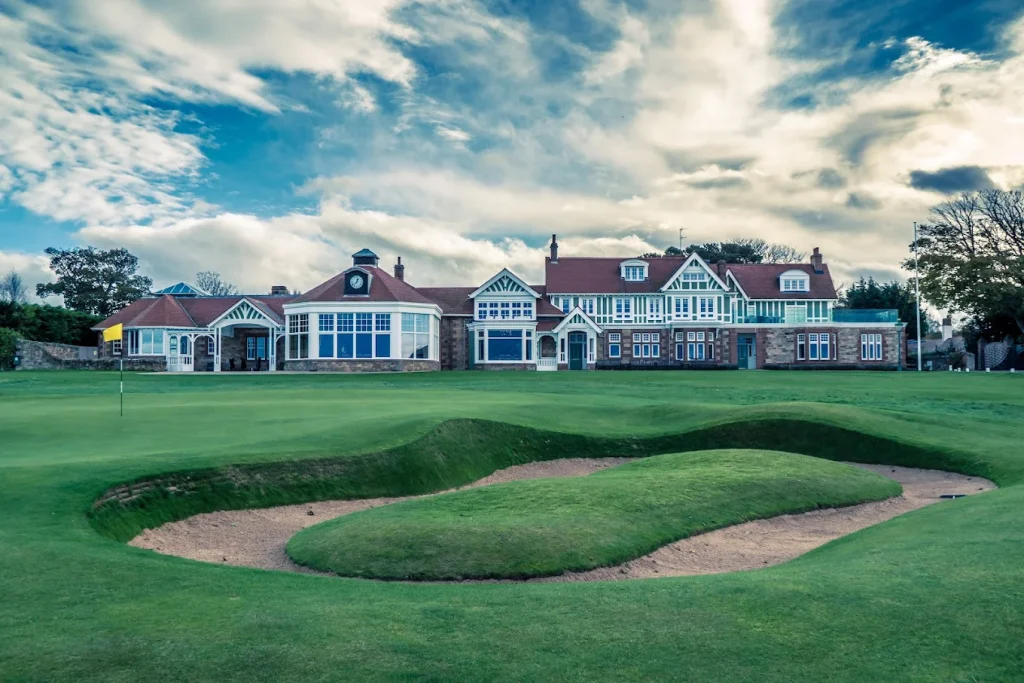
Muirfield
Muirfield is home to the Honourable Company of Edinburgh Golfers and is one of the most strategically designed links courses in Scotland.
Its unique circular layout challenges players with constantly changing wind directions.
The course is known for its fairness and balance, rewarding precision over power.
It has hosted numerous Open Championships.
Royal Troon, home of the Postage Stamp
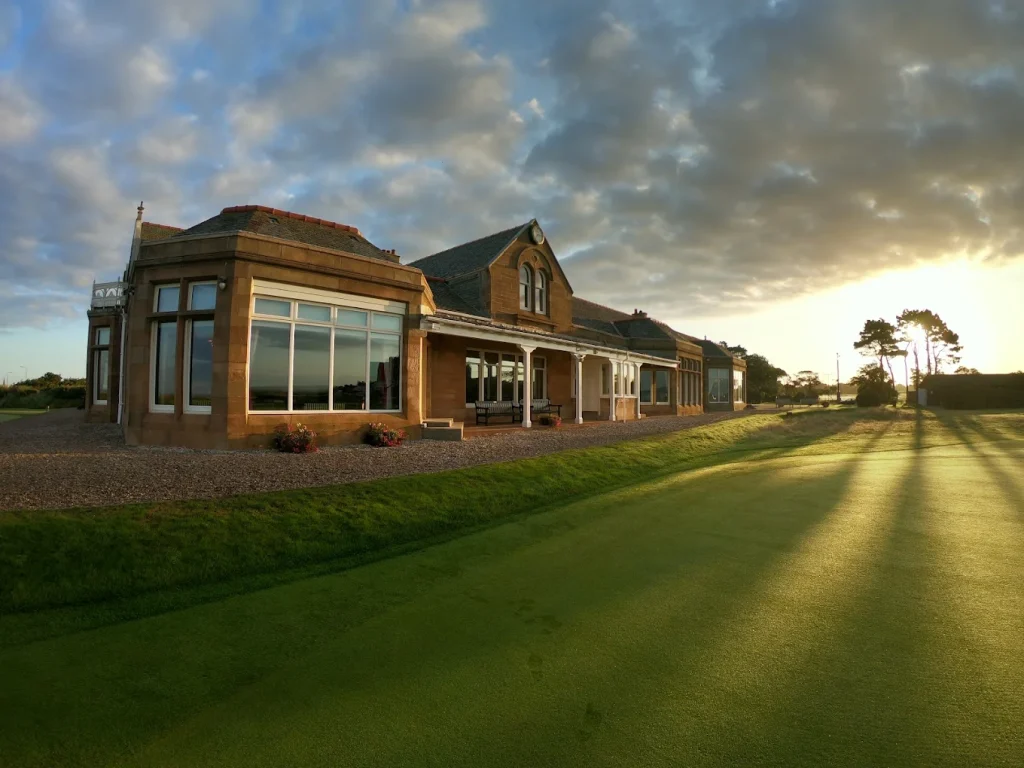
Royal Troon Golf Club
Royal Troon is famous for its iconic 8th hole, the “Postage Stamp”, one of the shortest but most challenging par-3s in golf.
The course demands accuracy, especially on its back nine, where coastal winds intensify.
It is a regular Open Championship venue.
Carnoustie Championship: Of course, the toughest test
Carnoustie Golf Links
Carnoustie is widely regarded as the most difficult Open Championship venue.
Its deep bunkers, narrow fairways, and unpredictable winds make it a true test of mental strength.
The closing holes, especially the famous Barry Burn, have produced dramatic tournament finishes.
North Berwick West Links: quirky seaside perfection
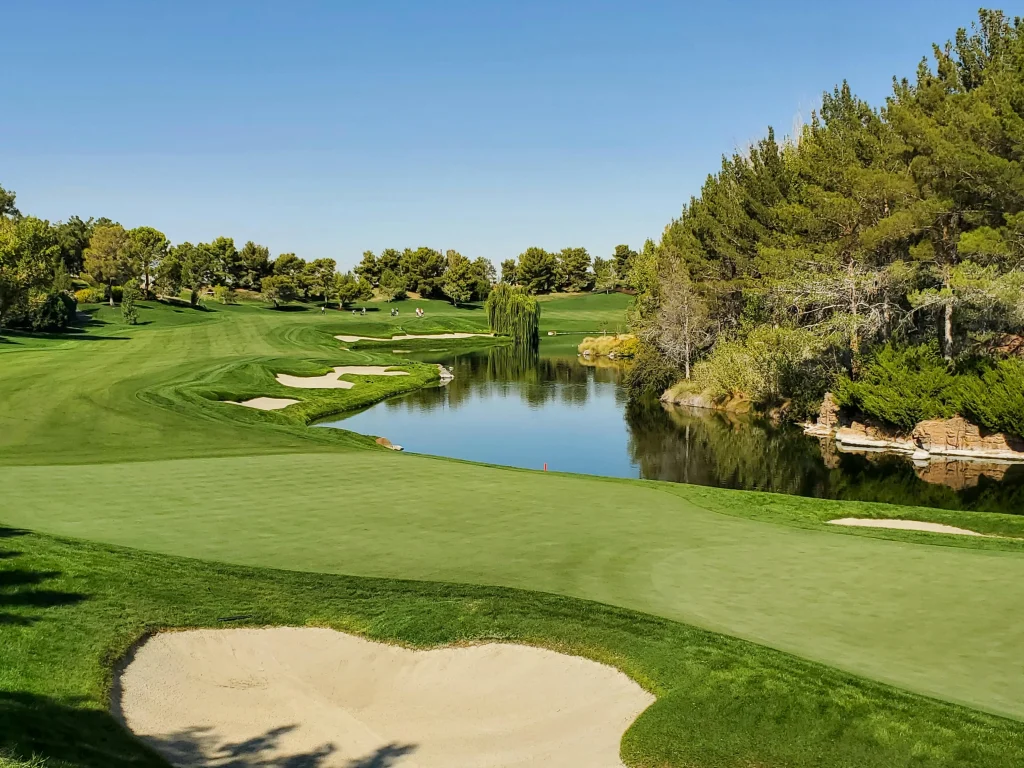
North Berwick Golf Club
North Berwick West Links is known for its unique and quirky holes, including the famous “Redan” hole, which has influenced golf course design worldwide.
It blends fun with strategy, offering a lighter but highly intelligent links experience.
Cruden Bay Links in Dracula’s shadow
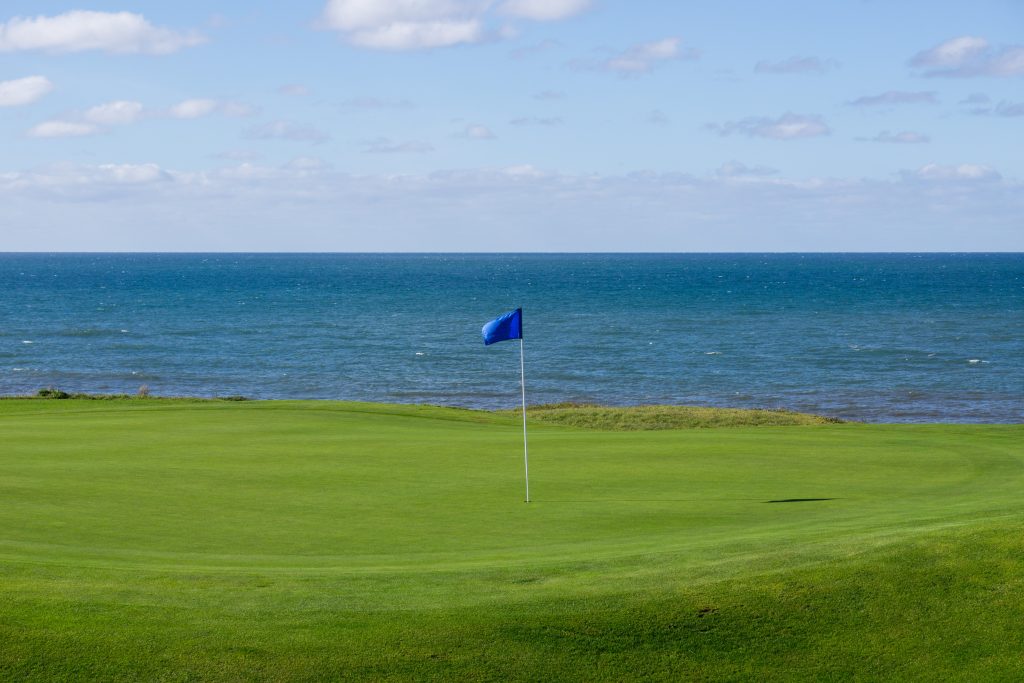
Cruden Bay Golf Club
Cruden Bay is one of the most scenic and atmospheric links courses in Scotland.
Its dunes and coastal views create a mystical playing experience, often described as dramatic and cinematic.
The course layout is traditional yet playful, with blind shots and rolling terrain.
Kingsbarns Golf Links: modern links design at its best
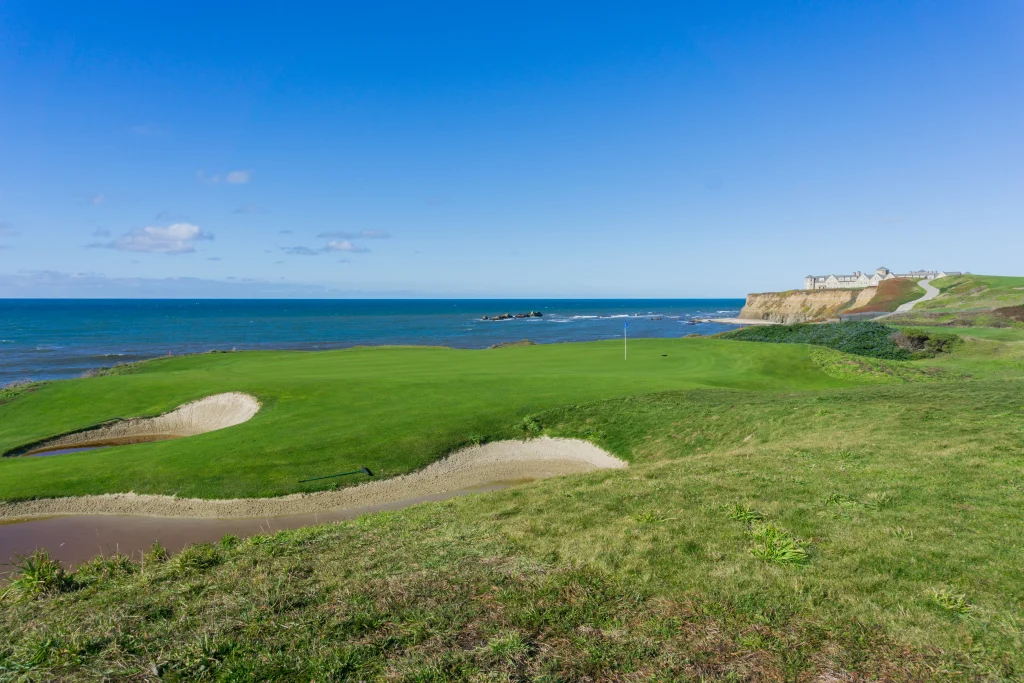
Kingsbarns Golf Links
Kingsbarns is a modern links course designed to feel natural and timeless.
Located near St Andrews, it offers panoramic sea views from nearly every hole.
Despite being relatively new, it has quickly earned a reputation as one of Scotland’s best modern links experiences.
Western Gailes, Prestwick, Machrihanish, Royal Aberdeen, Gullane No. 1, Castle Stuart
These remaining courses represent the depth of Scotland’s links to heritage:
Western Gailes Golf Club: a classic Ayrshire links with subtle strategy
Prestwick Golf Club, the original Open Championship host
Machrihanish Golf Club’s famous opening tee shot over the ocean
Royal Aberdeen Golf Club’s traditional out-and-back links layout
Gullane Golf Club No. 1 Course: fast, firm, and wind-exposed
Castle Stuart Golf Links: modern Highland links with a reputation and views
Together, these courses highlight the diversity of Scottish links golf from historic championship venues to modern interpretations of traditional design.
Comparison Table: Par, Yardage, Green Fees, Visitor Policy, Best Handicap Range
Choosing a links course in Scotland is not just about reputation; it’s also about understanding difficulty, cost, and accessibility.
Below is a simplified comparison of key factors across some of the top Scottish links courses to help golfers plan smarter.
| Course | Par | Yardage | Average Green Fees (Visitor) | Visitor Policy | Best Handicap Range |
|---|---|---|---|---|---|
| Old Course at St Andrews | 72 | ~7,300 yards | £300–£400 (via ballot/times) | Limited access (ballot/tour packages) | Low–Mid |
| Royal Dornoch Golf Club | 70 | ~6,700 yards | £250–£350 | Visitor-friendly (advance booking) | Mid–Low |
| Turnberry Ailsa Course | 71 | ~7,200 yards | £400–£600 | Luxury resort access | Mid–Low |
| Muirfield | 71 | ~7,100 yards | £300–£450 | Limited tee times, strict booking | Low handicap recommended |
| Royal Troon Golf Club | 71 | ~7,200 yards | £250–£350 | Visitor days only | Mid–Low |
| Kingsbarns Golf Links | 72 | ~7,300 yards | £350–£450 | Fully visitor-friendly | All levels (but challenging) |
How to Choose the Right Links Course for Your Level

Selecting the right Scottish links course depends on your experience, handicap, and what kind of golf experience you want.
Some courses are forgiving and scenic, while others are brutally strategic and designed for professionals.
Beginners and mid-handicappers often enjoy courses with wider fairways and modern design layouts, while experienced golfers may prefer historic championship venues with tighter landing zones and stronger wind exposure.
A good approach is to balance the following:
- Difficulty level
- Weather exposure
- Walking demands
- Budget
- Accessibility for visitors
If it’s your first links experience, choosing a more forgiving modern links course can help you enjoy the style of golf without frustration.
Links courses for high handicappers vs low handicappers
- High handicappers (20+):
High handicappers should focus on courses that are more forgiving and visitor-friendly.
These layouts usually offer wider fairways and fewer punishing hazards, allowing room for mistakes while still providing true links-golf conditions.
Courses like Kingsbarns Golf Links are ideal because they balance challenge with playability.
- Mid-handicappers (10–19):
This group can enjoy a wide range of classic links courses.
They will benefit from strategic layouts where course management matters, such as Royal Troon or Royal Dornoch, where positioning is more important than distance.
- Low handicappers (0–9):
Experienced golfers should aim for championship-level tests like Muirfield or Carnoustie.
These courses demand precision, creativity, and strong mental control, especially under windy conditions.
Frequently Asked Questions
What is the difference between links and parkland golf?
Links golf is played on natural coastal terrain with sandy soil, dunes, and very few trees.
It is heavily influenced by wind and weather, making each round unpredictable and strategic.
Parkland golf, on the other hand, is played inland on heavily maintained courses with trees, soft fairways, and controlled conditions.
Parkland courses are more predictable, while links courses require creativity and adaptability.
Which Scottish links course is easiest for visitors?
Among Scotland’s top links courses, Kingsbarns Golf Links is often considered the most visitor-friendly.
It offers a modern design, excellent facilities, and a more forgiving layout compared to traditional championship courses.
While still challenging due to wind and coastal conditions, it is more accessible for casual golfers and international visitors.
How much do green fees cost at Scotland’s top links courses?
Green fees vary significantly depending on the course and season:
Budget-friendly links: £100–£200
Mid-range historic courses: £200–£350
Premium championship venues: £350–£600+
Iconic courses like St Andrews or Turnberry can be more expensive due to demand, exclusivity, and global reputation. Booking early is highly recommended, especially during peak golfing season (May–September).
Do I need to walk, or can I use a buggy on links courses?
Most traditional Scottish links courses strongly encourage walking, as it is part of the authentic golfing experience. The terrain is designed for walking, with natural routing between holes.
However, some modern or resort-based courses do allow buggies, especially for visitors with medical needs or limited mobility.
Courses like Kingsbarns or Turnberry are more flexible, while historic venues such as Muirfield or St Andrews typically restrict buggy use.
Walking is widely considered the best way to experience links golf, as it allows players to fully engage with wind, terrain, and course strategy.