PAGE CONTENTS
ToggleYou can plan a great golf trip to Scotland by booking early, choosing regions that match your goals, and letting a clear schedule protect your tee times and travel plans.
Start by locking in the must-play courses and your travel dates at least 9 to 12 months ahead, then build accommodation, transport, and extra rounds around those fixed tee times.
You’ll learn why Scotland’s links and Highland courses deserve a top spot on your golf travel list, how to balance famous venues with quieter gems, and practical steps to secure tee times, lodging, and local travel.
This guide shows you the exact planning steps, timing tips, and region choices that make your Scotland golf trip smooth and memorable.
Why Scotland Should Be Your Next Golf Destination

You stand on the 1st tee of a Scottish links course, the sea wind in your face and nothing between you and the flag but firm, running turf.
Scotland is home to the birthplace of golf, which has over 550 courses for a population of 5.4 million, and VisitScotland estimates more than 250,000 visiting golfers a year.
Scotland’s unique links, heritage, and 550+ courses
You will play where the game began.
Links Land sits on coastal dunes with firm turf that rewards bold shots and creative play.
Courses like Kingsbarns Golf Links and the Old Course at St Andrews show classic features: pot bunkers, natural hollows, and turf that forces you to run shots along the ground.
What makes Scottish golf different from golf anywhere else
Links golf in Scotland tests every shot and every decision. Wind and firm ground mean low-running approaches, bump and run chips, and creative club choices.
You will find unpredictable weather that changes strategy mid-round; the same hole plays very differently at different winds and tides.
Scottish courses are often semi-private; many open only limited tee sheets to visitors. That raises the value of early planning and securing tee times months, or even a year, ahead.
Playing St Andrews, Kingsbarns, or Royal Dornoch gives you historic layouts where walking the fairways connects you directly to the game’s origins.
Your Scottish golf trip will therefore be about shot-making, history, and the unique links experience more than pristine parkland conditions.
Step by Step: How to Plan Your Scotland Golf Trip

Plan where you’ll play; how much you’ll spend; when to book tee times; where you’ll stay; and how you’ll travel, and make sure your clubs and paperwork are ready.
The next steps break these down into clear actions and practical choices.
Step 1: Choose your region (St Andrews, Ayrshire, Highlands, East Lothian)
Decide what you want most: historic links, championship venues, or quieter highland courses.
St Andrews centres on the Old Course and nearby Kingsbarns and Carnoustie; pick St Andrews if you want the Home of Golf and a shot at the Old Course ballot.
Ayrshire covers Turnberry (Ailsa) and Royal Troon, plus Prestwick and links like Western Gailes for classic seaside golf.
East Lothian gives you Muirfield, Gullane and North Berwick within short drives. The Highlands offer Royal Dornoch, Castle Stuart and quieter jewel courses away from crowds.
Match driving time between courses to your pace.
Step 2: Set your budget (green fees, accommodation, transport ranges)
Work out realistic per-person costs for 5–7 days.
Green fees range from about £50 for lesser-known links to £295 for top venues at peak times. Accommodation typically runs £80–£250 per night, depending on location and standard.
Hire a car for flexibility at roughly £40–£70 per day; caddies cost about £50–£80 plus tip.
Flights from major US hubs usually fall between $600 and $1,200 round trip. A mid-range 5-day trip typically totals around £2,500–£4,000 per person, excluding flights. Book early to lock in better rates.
Step 3: Book tee times (lead times, ballot systems, visitor days)
Start as soon as your dates are fixed. Many top courses release tee sheets 12+ months out; Muirfield and Royal Portrush fill fast. Enter the St Andrews Old Course ballot and also consider guaranteed packages through authorised agents for a higher cost.
Check which clubs are semi-private and which days they allow visitors; some only open limited slots. Use official club booking pages or trusted tour operators for Carnoustie, Kingsbarns, Royal Troon, Turnberry, and Royal Dornoch.
For high-demand courses, plan backups and book less famous links like Murcar, Cruden Bay, or Western Gailes as alternatives.
Step 4: Arrange accommodation and transport
Choose a central base or multiple hubs. Stay in St Andrews to access the Old Course, Kingsbarns, and Carnoustie on day trips.
Use Ayrshire towns for Turnberry, Troon, and Prestwick. For Highlands golf, base yourself in Inverness to reach Royal Dornoch and Castle Stuart.
Book hotels or golf lodges early, especially in summer. Rent a car for rural links; public transport is limited between courses. Reserve airport transfers if you prefer not to drive. Confirm parking and clubhouse drop-off rules at major venues before arrival.
Step 5: Prepare your gear and documents (handicap certificates)
Check airline rules for club carriage and pack a sturdy travel case with locks. Bring rain gear and two sets of shoes for links conditions.
Many clubs require an official handicap certificate or index; get up-to-date proof from your club or national association before travel. If you plan to use a caddie, book in advance at places like St Andrews, Turnberry, or Royal Troon.
Carry your passport, travel insurance details, and any green fee confirmations or vouchers. Keep digital copies and printed copies of all bookings.
How Much Does a Golf Trip to Scotland Cost?
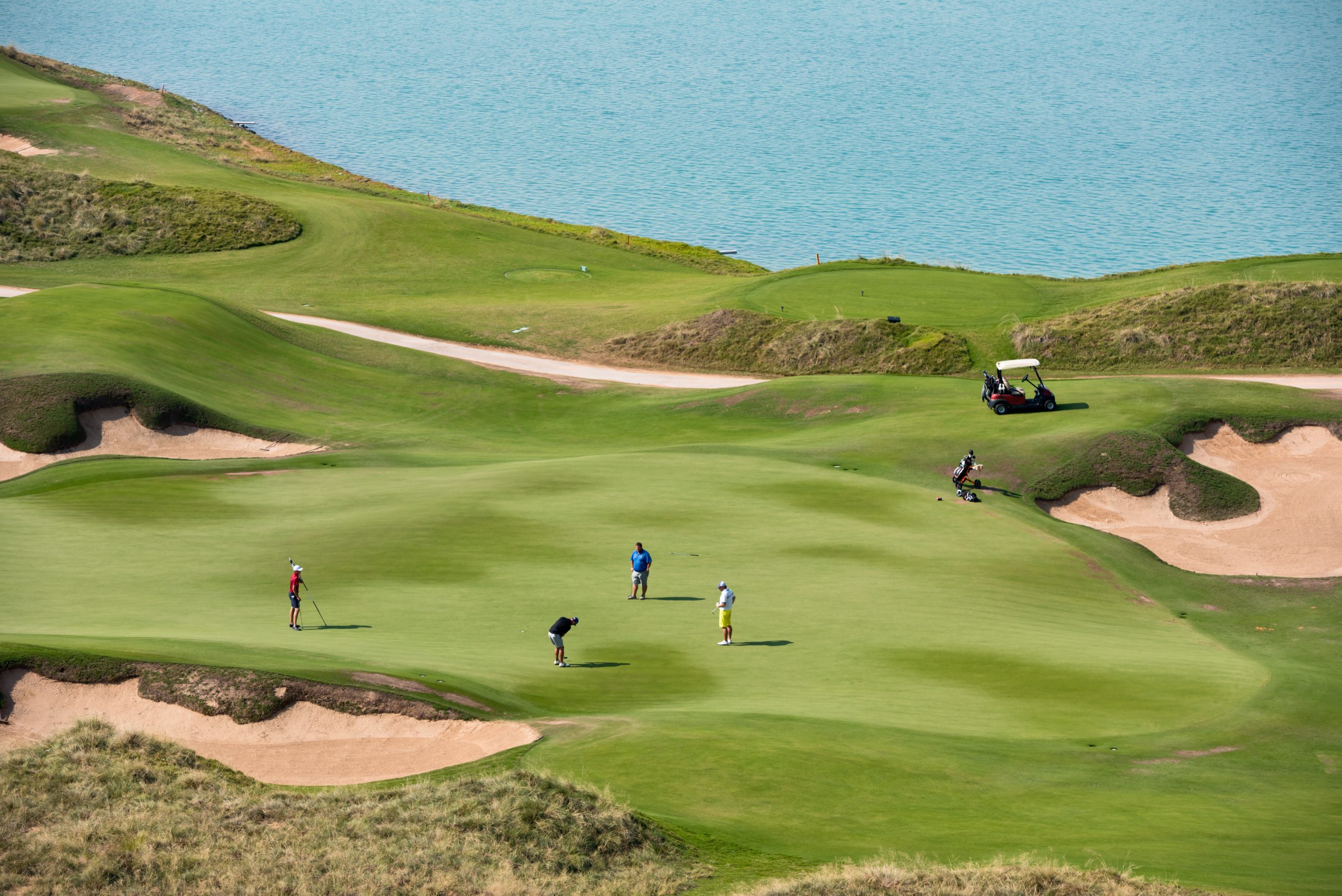
A golf trip to Scotland can vary a lot depending on your travel style, choice of courses, and level of comfort.
On average, most golfers spend between £1,800 and £5,000 per person for a 5 to 7-day trip. If you choose luxury accommodation and world-famous links courses, the total can go even higher.
Budget breakdown: green fees, hotels, car hire, flights, caddies
Green fees are usually the biggest part of the budget. Local courses may cost a few hundred pounds across the trip, but premium links such as St Andrews or Royal Dornoch can take a large share of your spending.
Hotels also change the total cost significantly. Budget guesthouses and 3-star hotels keep costs lower, while boutique or luxury hotels in golf towns increase the price quickly, especially in peak season.
Car hire is almost essential because many of Scotland’s best courses are spread across coastal and rural areas.
This adds a moderate but necessary cost, especially if you are travelling in a group.
Flights depend on your departure location and season.
Travelling from Europe is generally cheaper, while flights from the US or Asia can increase the overall budget.
Money-saving tips for 2026
If you want to reduce costs in 2026, early booking is the most effective strategy.
Tee times at famous Scottish courses are limited and become expensive closer to the date.
Travelling during shoulder months like April to May or September to October can help you save a good amount on both accommodation and green fees while still enjoying solid playing conditions.
Staying outside major golf hubs such as St Andrews or Edinburgh can also reduce hotel costs. Smaller towns nearby often offer better value with easier availability.
Another smart approach is to share accommodation and transport with your group.
Splitting car hire and lodging can significantly reduce individual expenses.
Some golf resorts also offer package deals that bundle rounds and accommodation at a lower overall price.
Best Time to Visit Scotland for Golf
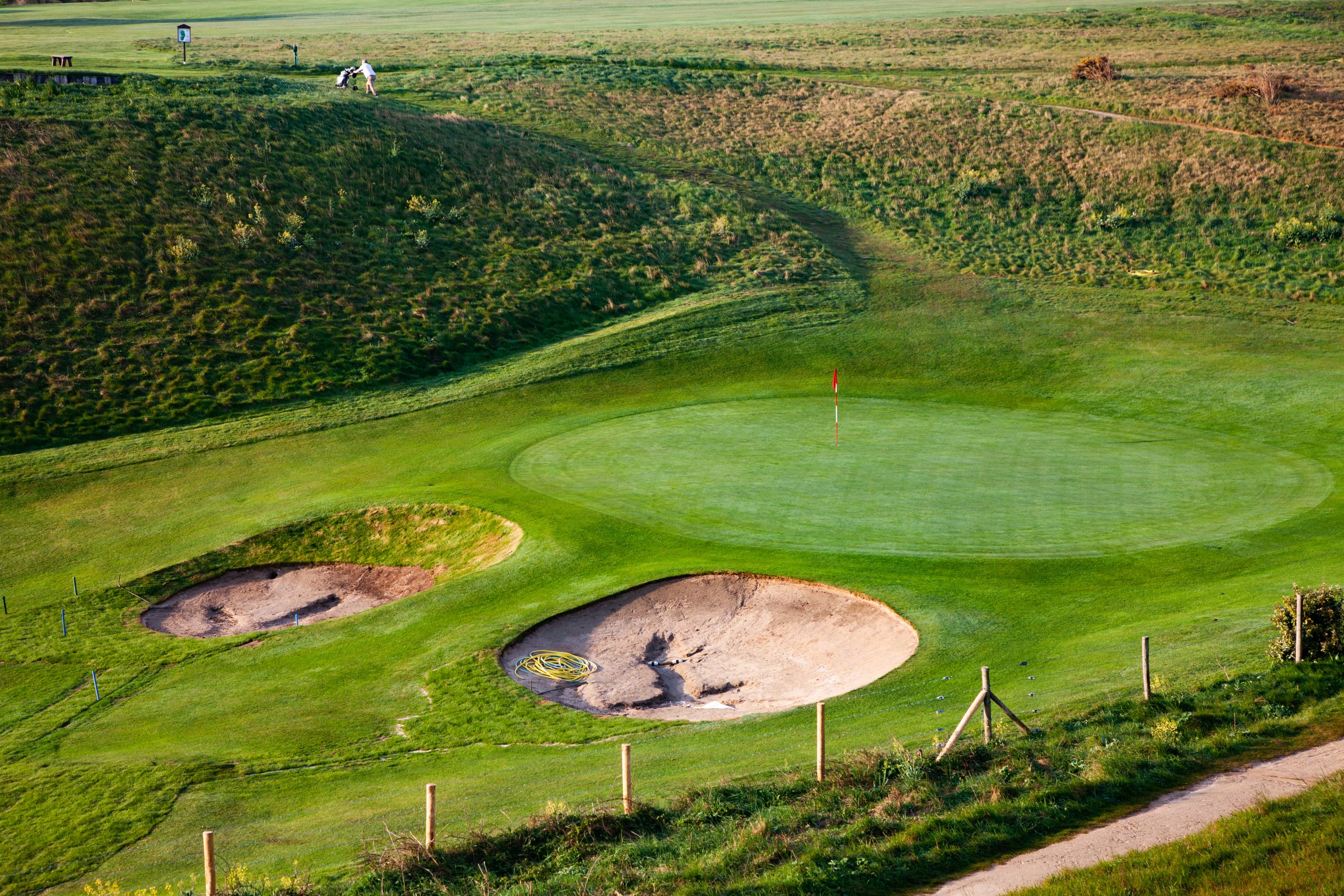
The best time to visit Scotland for golf depends on what matters more to you, perfect weather or better value.
The main golf season runs from April to October, with each month offering a slightly different experience.
Month-by-month season guide with pros/cons
Month | Pros | Cons |
April | Courses reopen, there are fewer crowds, and there are lower prices | The weather is still cold and windy; some course restrictions |
May | Excellent course conditions, balanced pricing, fewer tourists | Slight chance of rain and wind |
June | Long daylight hours, good weather, full course access | Higher prices, growing crowds |
July | Warmest conditions, peak golfing experience, all services available | Very busy, expensive, hard to get tee times |
August | Great playing conditions, lively atmosphere | Peak crowds, highest accommodation costs |
September | Ideal balance of weather and price, fewer crowds | Weather can start to turn unpredictable |
October | Cheaper travel, quiet courses, scenic autumn golf | Rain and wind are more likely, shorter days |
Nov to March | Lowest prices, peaceful courses | Many courses were closed or limited due to harsh weather conditions |
Peak vs. shoulder, season trade-offs
Peak season, which runs from June to August, gives you the most reliable playing conditions and full access to all courses.
However, it also comes with the highest costs and the need to book well in advance due to heavy demand.
The shoulder season, which includes April to May and September to October, offers a better balance.
You can still enjoy good golf conditions while benefiting from lower prices and easier tee time availability.
The main trade-off is slightly less predictable weather, with a higher chance of wind or rain.
In simple terms, peak season is best for perfect conditions, while shoulder season is best for value and flexibility.
Frequently Asked Questions
How much does a seven-day golf trip to Scotland typically cost in 2026?
A typical seven day trip in 2026 usually costs between £2,000 and £6,000 per person. This range depends on course choices, travel class, and whether you use a tour operator or book independently.
Green fees at top courses can be £150 to £400 per round. Add flights (£100 to £800), car hire or transfers (£200 to £600), mid-range hotels (£80 to £200 per night), meals, and incidentals.
Do I need a handicap certificate to play courses in Scotland?
Most quality and private courses ask for a handicap or proof of ability, often an index of 24 for men and 36 for women.
Bring an official handicap card or a digital index from your golf club or World Handicap System. Some public or nine‑hole courses do not require a handicap.
If you’re unsure, contact the course before you book.
How far in advance should I book a golf trip to Scotland?
Book 6 to 12 months ahead for top links and summer travel to secure preferred tee times and accommodation. For shoulder seasons (April, May, September, and October), you can often book 3 to 6 months ahead.
If you plan to play the Old Course, Royal Troon, Royal Dornoch or similar, aim for the earlier end of that window.
What should you pack for a Scotland golf trip, including clothing for changeable conditions?
Pack layered clothing: base layers, a mid layer (fleece or jumper), and a waterproof, windproof jacket. Bring waterproof trousers, warm gloves, and a hat for wind and rain.
Use spikeless or soft-spike shoes rated for the links’ terrain. Pack spare socks, sunscreen, and a small towel. Include a lightweight umbrella and a rain cover for your clubs.
Can I play the Old Course at St Andrews without a booking?
You can play the Old Course without a prior private booking through the daily ballot (draw), which opens two days in advance.
You must enter the ballot online or at the R&A kiosk in St Andrews.
You can also get a tee time via an authorised tour operator or by booking a package that includes guaranteed access. Walk up availability is rare in summer, so plan ahead.